
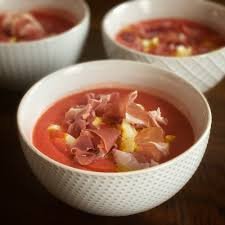

There’s a moment — usually your first spoonful of a properly made salmorejo — where everything goes quiet. Not sweet. Not sour. Just this silky, deep, sun-drenched tomato richness that coats your mouth and makes you wonder why you’ve been eating ordinary soup your whole life.
Salmorejo isn’t gazpacho’s thinner cousin. It’s something else entirely. Thicker than velvet, poured cold into a chilled bowl, crowned with slivers of jamón ibérico and a crumble of hard-boiled egg. Born in Córdoba, southern Spain, it has quietly conquered tables from New York tapas bars to London’s Michelin-starred counters. If you’ve been searching for the best salmorejo near me, you’re asking exactly the right question — and this guide will give you real answers, real restaurants, and the knowledge to know a great bowl from a mediocre one.
The World’s Best Restaurants for Salmorejo
:max_bytes(150000):strip_icc():format(webp)/salmorejo-XL-RECIPE0917-7b679ff299ce43df9128c7f4a181be4d.jpg)
Casa Pepe de la Judería — Córdoba, Spain
If salmorejo has a spiritual home, it’s here. Tucked inside Córdoba’s ancient Jewish Quarter, steps from the Mezquita-Cathedral, Casa Pepe has been serving this dish since 1928 — and their recipe hasn’t changed. The bowl arrives a deep terracotta orange, smooth as silk, with serrano ham and egg in the same proportions they’ve always used. Michelin-listed and beloved by locals and Lonely Planet both, this is ground zero. Book an evening patio table in advance — they disappear fast, and sitting under the Córdoban sky with a cold bowl of salmorejo is something worth planning for.
Bar Santos — Córdoba, Spain
A five-minute walk from Casa Pepe and a completely different experience. There’s barely room to stand inside Bar Santos, and many diners eat perched on the wall across the street. But the salmorejo here — fresh, punchy, impossibly good value — draws queues of locals every single day. No pretension. No reservations. Just the real thing, done with confidence.
Noor — Córdoba, Spain
Chef Paco Morales holds three Michelin stars at this extraordinary restaurant, which reimagines Andalusian cuisine through the lens of Córdoba’s Islamic heritage. His take on salmorejo is architectural: elevated with precision but deeply rooted in tradition. Tucked away from the tourist trail, Noor is where food lovers go when they want to understand what Andalusian cooking can become. Reservations are essential.
Garum 2.1 — Córdoba, Spain
For something inventive without abandoning authenticity, Garum 2.1 stands apart. Their salmorejo with sherry is one of the most talked-about dishes in Córdoba’s modern dining scene — a classic given just enough creative tension to feel fresh. The bull tail stew is equally unmissable, and the tasting menu is one of the best-reviewed meals in southern Spain.
Boqueria — New York / Chicago / Washington D.C., USA
Boqueria has built a quietly impressive small empire of Spanish tapas bars across the American Northeast and Midwest — and they’ve earned it. The New York flagship, particularly the Flatiron location, brings genuine Catalan and Andalusian tradition to the table: jamón ibérico flown in from Spain, tortilla that could embarrass a Madrid café, and seasonal cold soups done with real care. For American diners craving Andalusian flavour without a transatlantic flight, Boqueria is where the search often ends.
Sabor — London, UK
Michelin-starred Sabor in Mayfair is led by Basque chef Nieves Barragán Mohacho, a name that resonates throughout London’s Spanish dining world. The ground-floor counter — walk-ins only — is one of the most thrilling eating experiences in the city. Regional Spanish cooking executed at the highest level, with Andalusian dishes rotating through the menu seasonally. When salmorejo appears, it doesn’t last long.
Best Places in the USA for Salmorejo
Toro — Boston, Massachusetts
Chef-partners Jamie Bissonette and Ken Oringer built Toro into one of America’s most celebrated Spanish restaurants. The South End spot has been packing in diners for years with its wood-fired tapas, excellent cured meats, and a menu that honours both tradition and imagination. Cold soups — particularly anything in the gazpacho and salmorejo family — appear seasonally and are made with the kind of tomato sourcing that most restaurants don’t bother with. In my experience, Toro produces one of the most honest bowls of cold Andalusian soup you’ll find anywhere outside Spain. Go at dinner, arrive early, and let the kitchen decide.
Coqueta — San Francisco, California
Perched on San Francisco’s Embarcadero, Coqueta sources its produce from Northern California’s extraordinary farms and uses them to create Spanish small plates that feel locally grounded yet authentically Iberian. Their cold soups shift with the season — and in peak tomato season (late July through September), their salmorejo is exceptional. The setting is chic and warm, the wine list leans Spanish, and the patatas bravas are as good as anything you’ll find this side of Madrid.
smoke.oil.salt — Los Angeles, California
A discovery for anyone who thought great Spanish food in LA was impossible. This intimate Echo Park restaurant has a chef’s counter, a communal table, and a kitchen that takes Andalusian flavours seriously. They rotate cold soups across the warm months, and when salmorejo is on, it’s made with California’s extraordinary summer tomatoes — a combination that makes purists stop arguing about whether you can do it right outside Córdoba.
Practical tip: In the USA, always call ahead or check the online menu before visiting for salmorejo specifically — it’s typically a seasonal or rotating starter, not a permanent fixture.
Best Places in the UK for Salmorejo
Barrafina — London (Soho, Coal Drops Yard, Borough Yards, and more)
Founded by brothers Sam and Eddie Hart, Barrafina has grown to five London locations without losing what makes it special: no bookings, a marble counter, a blackboard that changes daily, and cooking that is consistently flawless. Michelin-recognised across multiple sites, it remains the default answer when anyone asks where to eat proper Spanish food in London. Cold soups appear seasonally, and the kitchen’s approach to Andalusian classics is deeply respectful. Worth any queue.
José — Bermondsey, London
José Pizarro’s tiny, walk-in-only tapas bar on Bermondsey Street has been one of London’s most beloved Spanish restaurants since 2011. The space holds barely thirty people, the blackboard menu changes constantly, and the seafood is always exceptional. When salmorejo makes an appearance, it’s been made that morning. In my experience, eating at José on a warm afternoon with a glass of Manzanilla is as close as London gets to sitting in a Sevillano bar.
Sabor — Mayfair, London
Already mentioned in the global section, but worth re-emphasising for UK readers: Sabor is the finest Spanish restaurant in Britain. The counter downstairs is walk-in only — get there early, especially at weekends. Chef Nieves Barragán Mohacho’s Michelin star reflects cooking of exceptional quality and genuine regional depth.
El Pirata — Mayfair, London
One of London’s most enduring Spanish restaurants, El Pirata has been serving traditional tapas on a quiet Mayfair street for over three decades. Relaxed, unpretentious, and genuinely welcoming, it’s the kind of place locals actually eat at rather than just photograph. Their menu includes Andalusian-style cold soups when in season, and the jamón ibérico and cured meats are sourced with real attention.
UK tip: Use Google Maps and search “Spanish tapas + [your city]” then filter by reviews mentioning “salmorejo” or “cold soup.” Genuine Spanish kitchens are proud of this dish — if they serve it, it usually features in reviews.
What Is Salmorejo? Ingredients, Origin, and What Makes It Great
Salmorejo is a cold tomato soup from Córdoba in Andalusia, southern Spain. Its origins are practical — Córdoban families used stale bread to thicken whatever they had, and over time tomato became the heart of the recipe. Tomatoes didn’t appear until the 18th century, which is why earlier versions (like mazamorra, a cold almond soup) looked entirely different.
The modern version is blended until completely smooth and served cold. What separates it from gazpacho is bread — salmorejo is thickened with it, giving the soup its signature velvety body and slight sweetness. Gazpacho is a drink. Salmorejo is a meal.
Core ingredients:
- Ripe, sweet tomatoes (the single most important element)
- Day-old white bread (stale works best — it absorbs without adding moisture)
- Extra virgin olive oil, preferably Spanish
- Garlic (used sparingly — it should whisper, not shout)
- Salt, and sometimes a splash of sherry vinegar
- Toppings: diced jamón ibérico, crumbled hard-boiled egg, drizzle of olive oil
A great salmorejo is thick enough to coat a spoon, deep orange-red in colour, and carries a clean, balanced finish. A bad one is watery, pallid, and tastes of nothing. Cheap olive oil is almost always the culprit.
How to Make Salmorejo at Home — Step by Step
Prep time: 15 minutes | Chill time: 1–2 hours | Serves: 4
Ingredients
- 1kg ripe vine tomatoes
- 150g stale white bread (crusts removed)
- 100ml good extra virgin olive oil, plus extra to serve
- 1 small garlic clove
- 1 tsp sherry vinegar (optional but recommended)
- Salt to taste
- To serve: 2 slices jamón ibérico (torn or sliced), 2 hard-boiled eggs (chopped)
Steps
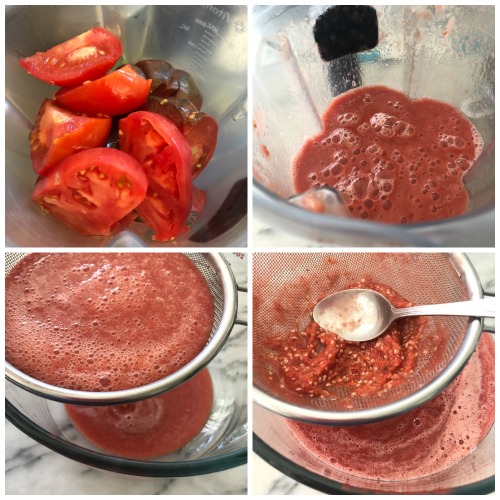
1. Prep your tomatoes Score a small cross at the base of each tomato, then blanch in boiling water for 30 seconds. Transfer to cold water and peel. This step is worth doing — the skin is bitter and breaks the smooth texture. Core and roughly chop.
2. Soak the bread Tear bread into chunks and place in a bowl. Pour over 50ml water and let it soak for 5 minutes. You want it softened but not swimming.
3. Blend everything Add tomatoes, soaked bread, garlic, sherry vinegar, and a generous pinch of salt to a blender. Blend on high for a full minute.
Pro tip: Blend longer than you think necessary. The texture should be completely smooth — no chunks.
4. Add the olive oil slowly With the blender running, drizzle in the olive oil in a thin, steady stream. This emulsifies it and creates the characteristic creamy richness. Don’t rush this step.
5. Season and chill Taste and adjust salt. Transfer to a bowl or jug, cover, and refrigerate for at least 1 hour — ideally 2. Salmorejo needs to be genuinely cold to taste right.
6. Serve with toppings Pour into chilled bowls. Top with torn jamón ibérico, chopped hard-boiled egg, and a thin thread of your best olive oil.
Common mistakes to avoid:
- Using underripe tomatoes — this is the number one reason homemade salmorejo disappoints. Use the ripest tomatoes you can find, even slightly overripe ones.
- Skimping on oil — the richness of good olive oil is not optional here. It’s structural.
Pairing suggestions: Serve with crusty bread on the side, or as a starter before grilled fish, cured meats, or a classic Spanish omelette. A chilled glass of Manzanilla sherry alongside is the correct move.
FAQ
What’s the difference between salmorejo and gazpacho? Salmorejo is thicker, creamier, and more filling. Gazpacho is a lighter blended vegetable drink — it often includes cucumber, pepper, and more liquid. Salmorejo uses only tomatoes, bread, olive oil, and garlic, and the bread gives it a velvety, almost custard-like body. They’re related but not interchangeable.
Is salmorejo served hot or cold? Always cold. It should be properly refrigerated before serving — ideally two hours minimum. A lukewarm salmorejo is a sign the kitchen isn’t taking the dish seriously.
Is salmorejo healthy? Yes. It’s a Mediterranean dish built on fresh tomatoes, quality olive oil, and garlic — all linked to positive health outcomes in the Mediterranean diet. It’s relatively low in calories for how filling it feels, and naturally gluten-free if you substitute the bread (though purists will debate this).
Can I make salmorejo without bread? You can, but it won’t be salmorejo — it’ll be a tomato smoothie. The bread is what creates the signature texture and body. If you’re avoiding gluten, some modern versions use soaked almonds or a small amount of gluten-free bread with reasonable results.
Where can I find authentic salmorejo near me if I’m not in Spain? Search Google Maps for “Spanish tapas” or “Andalusian restaurant” near your location, then look specifically at reviews for mentions of salmorejo or cold soup. Restaurants with Spanish-born chefs or staff are usually the most reliable. It’s a seasonal dish — more likely to appear on menus between spring and early autumn.
What makes a restaurant’s salmorejo authentic vs tourist-grade? Authentic versions use a small number of high-quality ingredients, arrive genuinely cold, have a thick velvety texture (not watery), and are topped with real jamón and egg — not herbs or cream. If it tastes overly garlicky, thin, or sweet, something’s been compromised. A good test: ask the staff what type of tomatoes and olive oil they use. Kitchens that care can answer immediately.
Final Thoughts
Salmorejo rewards the curious. It looks simple. It is simple. But the gap between a bowl made with care — ripe tomatoes, real olive oil, properly emulsified — and one that isn’t is enormous. Now that you know what to look for, you’ll spot it immediately.
Whether you’re tracking down the best salmorejo near me on a warm afternoon in London, booking a counter seat at Boqueria in New York, or finally making it to Córdoba to try Casa Pepe’s unchanged 1928 recipe — the chase is worth it. And if you make it at home? Use better tomatoes than you think you need. That’s the whole secret.
Go find your bowl.
Read More Blog:
Best Espinacas con Garbanzos Near Me